Design Sprint
Design Sprint is a systematic process for answering critical business questions through design, prototyping, and testing ideas with users.
Design Sprint
Why? What? & How?

Photo by Gautam Lakum on Unsplash
What is Design Sprint?
Design Sprint is a systematic process for answering critical business questions through design, prototyping, and testing ideas with users.

Why Design Sprint?
We can fix the wrong solution, but non-existent problems aren’t adjustable. Design Sprints helps us in finding out if a product is worth developing, if a feature is worth the effort, or if our value proposition is valid.
Design Sprint also helps us in bringing the teams under a shared vision, aligning them towards clearly defined goals and deliverables.
Design Sprint is a great tool for developing a hypothesis, prototyping an idea, and testing it rapidly with as little investment as possible in as real an environment as possible.
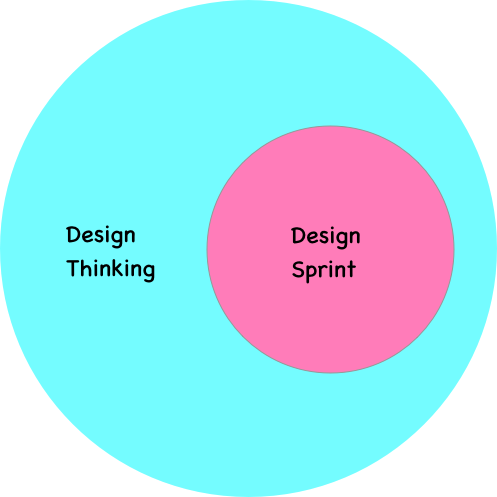
How is Design Sprint different from Design Thinking?
Design thinking is a philosophy or mindset for structuring our thought process to understand and define the problem, conceptualize, actualize, and test solutions. In contrast, ‘design sprint’ is a methodological process, based on design thinking, which helps in tackling and solving the right problems in the most efficient way within a specific time range.
Which business questions can a Design Sprint answer?
Design Sprint can answer different questions such as,
- What is the vision for the new product?
- How can a specific feature be redesigned?
- How do we enhance the flow of the existing product?
- How do we improve the process?
- What does our brand stand for?
A design sprint helps a team to think of different possibilities and discover solutions to a problem in a fast, iterative way. When there are multiple possibilities, a sprint helps you in prioritizing and testing out how an option would look in action.
Few examples,
- Product Sprint can be used both on an existing product and also to a new product to assess the viability, improve the experience, understand broken journeys, test new ideas.
- Process Sprint is used to improve, define, or simplify any process in an organization or business.
- Vision Sprint helps in finding the why, what, and how of an organization assisting the team in decision-making, exploring opportunities, and envisioning a new offering.
- Kickoff Sprint is used to bring a shared understanding between the different stakeholders and team members at the beginning of a project.
- Brand Sprint helps in turning ideas about a brand into a defined brand image. It also helps in finding a place in the competitive landscape.
- Moonshot sprints help in defining long term goals that help an organization to find the opportunity to innovate and reimagine a product or service in an exploration mindset.
Whatever the question is, there are different recipes to help you find answers for it. Design sprints help your team view the problem from a 360° view, come together and determine the right approach in a short time when compared to the traditional methods.
Who can participate in a Design Sprint?
Ideal size for a sprint team is seven(7) or fewer, which should include stakeholders from different verticals for the right mix, It’s not mandatory to have all the roles but a good mixture is recommended for running an effective sprint. Few recommended functions are,
- Decider, who’ll have the final word on decisions, if a decider is not able to be full-time he can appoint a proxy or two who can be full-time in the sprint team.
- Finance Expert, who gives insight about where the money goes and comes from.
- Marketing Expert, who can determine if the solution has a market value.
- Customer Expert, Someone who interacts with customers regularly.
- Tech Expert, for their understanding of any technical limitations.
- Designer, for their knowledge of designing products and UX.
and the Facilitator, to ensure that the team stays on track
How many days does a design sprint need?
The length of time for your Design Sprints will be based on the goals and the needs of the team. Sprints can range from 1 to 5 days.
Design sprints cannot happen in isolation its success depends on the pre and post-process. In the next post, we will discuss the pre sprint process and activities. If you are looking to run a sprint for your team
Pro Tip:
https://siddarth.design/tips-how-to-peel-and-stick-a-sticky-note-f9085233b44f