Dark Patterns
Before we understand what a dark pattern is, it is necessary to understand why any product adopts it.
Dark Patterns
Why? What? How?
Why?
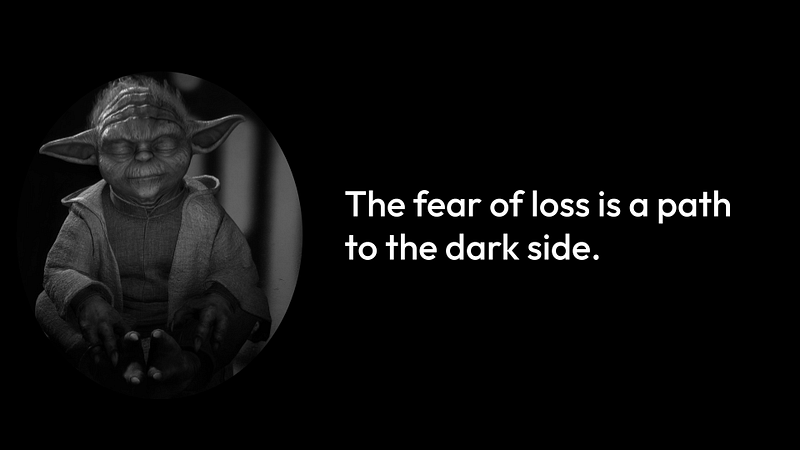
Before we understand what a dark pattern is, it is necessary to understand why any product adopts it. To answer it I would like to borrow the wisdom of Yoda here “The fear of loss is a path to the dark side”. More often businesses are attracted to the dark side because of the fear of losing to the competition or fear of losing a sale or a metric of success measurement. So they start favoring actions that are favorable to them and increase friction the undesirable actions. One common example would be the experience of subscribing and unsubscribing from a service. The subscription flow is often very seamless compared to unsubscribing flow favoring the business.
A business could also be on the dark side even without our knowledge when we don’t try to resist it.
What?
Psychology can make your experience better–or it can trick the user. These tricks that are crafted to trick users into doing things they might not want to do, but benefit the business are called “dark patterns”.
Persuasive design is the practice of taking behavioral insights from psychology and sociology, like motivations and cognitive biases and translating them into frameworks and patterns to apply them in product design.
Persuasive design like any other concept is a double-edged sword that could be used for building good habits also it could also be used to trick people into unintended behaviors for the sole benefit of the business.
Different types of dark patterns,
Bait and Switch
Trick the user to perform another action than they originally intended.
**Disguised Ads
**When an ad is placed in line with the content.
**Forced Continuity
**When you are offered a free trial/subscription and made to pay for it later after the trial due to friction or difficulty in opting out.
**Forced Disclosure
**Collecting unwanted data for service and misusing the collected data for the benefit of the business.
**Friend Spam
**Reaching out to your contacts misrepresenting you.
**Misdirection
**Misguiding or tricking the user towards a particular thing.
**Road Block
**Building friction or huddle before you could access the content you came for.
**Roach Motel
**Making the exit process hard when compared to the ease of onboarding.
**Door Slam
**Pop-ups or ads selling services in between a user flow.
**Trick Questions
**Tricking the users by the choice of words, making them act in an unintended way.
**Clickbait
**Captions or titles misleading the user into clicking a link.
**Hidden Costs
**Unexpected costs were added later during the checkout.
**Confirmshaming
**When the content is written in a way to make the user feel guilty about the actions not favoring the business.
**Sneak into basket
**Sneaking extra items to the cart in the form of support or insurance during the purchase flow.

How?
Dark patterns are created by taking advantage of human weakness. The seven deadly sins are Pride, Sloth, Gluttony, Anger, Envy, Lust, and Greed.
Pride (Overestimating one’s capabilities) is one of the tricks by which you are lured into spending over your current financial ability.
Sloth (“don’t care” feeling) is the reason for many of us clicking on the accept button in the Terms and Conditions without reading it. That's how you are tricked into signing up for things you never intend to.
Gluttony (habitual greed) is how we are tricked into adding that one more item on the checkout page. When greed is desire gluttony is the habit of adding more to what you have already.
Anger (a feeling of hostility toward someone or something you feel has deliberately done you wrong) is that one trick that decides your vote.
Envy (longing for someone else’s advantages) is the trick when we associate a person's success with their tools of the trade. When we look at someone we aspire to use a product we tend to buy that. This is where influencers come in.
Lust (intense desire for any item) Lust is the starting point; envy and greed are the results. The bitten fruit product you desire could be a good example. When lust sets in for a product we find excuses and reasons that's how products trick us when it comes to price and features/value.
Greed (desire to get or keep more stuff than you need) This is the answer for all the extra items in your wardrobe and cupboards. This is the trick that products use to sell +1.
As discussed earlier we could use the above seven sins for building healthy habits or influence people in the right way too.
Principles of Persuasion / Methods of Influence
Reciprocation: We don’t like to feel that we owe other people. That's where the “I’ve scratched your back, now you scratch mine “ comes into play where a consumer is offered a trial or freebie and they reciprocate by making a purchase in the future.
Liking: People are much more likely to be influenced and persuaded by those that they like. This method is used in advertisements where it is designed keeping the target segment in mind. So they can be easily influenced.
Social Proof / Consensus: We are social beings and we try to adhere to social norms. Taking advantage of this brands influence their customers with slogans like **“**4/5 people did this”, also social media plays a major role in this category.
Authority: People trust people who are knowledgeable and experts. You could easily identify this method being employed in products sold by doctors and other persons we trust.
Scarcity: “Only a few left in stock”, this one line could explain this method of influence. Many eCommerce platforms use this method to pursue users to buy it immediately.
Commitment and Consistency: People like to be consistent with their identity or sense of self-image. Once you associate yourself with a tag, you try to keep it up. For instance, if you start associating yourself with “healthy” your choices in the future will be based on that. Products use this method of influence to sell you something smaller establish this sense and pursue you later.
References:
- Influence — The Psychology Of Persuasion written by Robert B. Cialdini
- Evil by Design — Interaction Design to Lead Us into Temptation written by Chris Nodder
- White Hat UX — The Next Generation in User Experience written by Trine Falbe, Kim Andersen, & Martin Michael Frederiksen